


-

Add: HeBei ShengShi HongBang Cellulose Technology CO.,LTD.
-

Email
13180486930@163.com -

CONTACT US
+86 13180486930
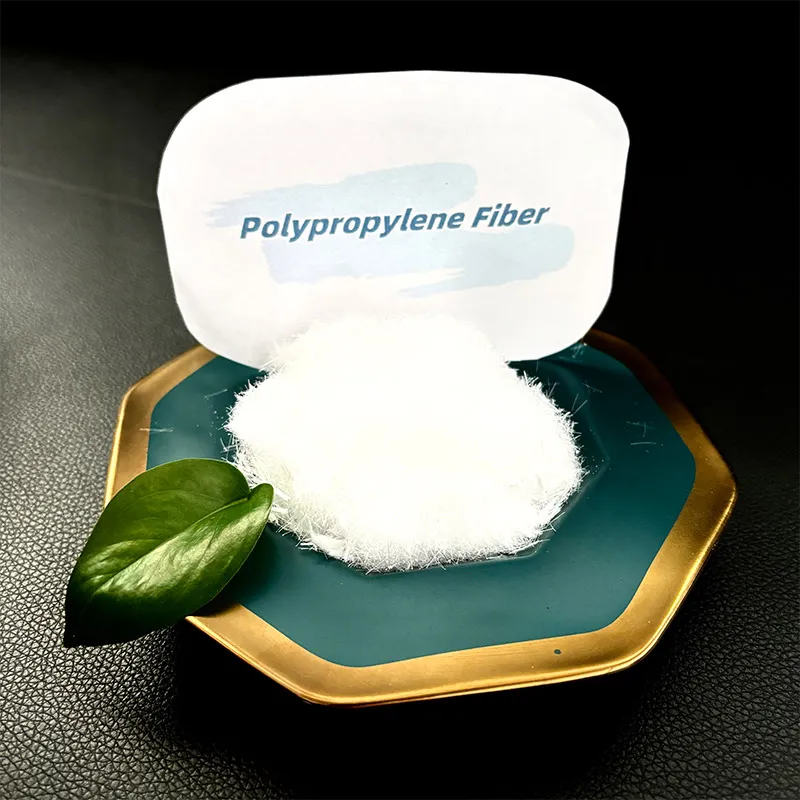



Polypropylene fiber ( PP fiber ) has transformed the synthetic fiber market with its remarkable technical properties, cost-performance ratio, and exceptional durability in multiple industries. Discover in-depth analysis, technical data, production detail, and real-world application cases in this complete guide. Polypropylene Fiber: Industry Overview & Market Trends Polypropylene fiber is a synthetic fiber made from polypropylene polymers, renowned for its low density, high strength-to-weight ratio, exceptional chemical resistance, and versatile use in construction, geotextiles, filtration, and automotive sectors. The global polypropylene fibre market reached $11.8 billion in 2023 (source: Grand View Research), with an expected CAGR of 7.4% from 2024 to 2030, driven largely by rising demand in pp fiber concrete for infrastructural projects and high-performance composites. Increasing attention to energy-efficiency, corrosion resistance, and lifecycle performance in civil works, petrochemical, and water infrastructure boosts polypropylene fiber usage. Leading organizations, like ASTM, ISO, and FDA, continually update standards ensuring the safety, performance, and sustainability of polypropylene fibre products. Technical leader: Microfiber synthetic PP fiber, enabling ultra-fine reinforcement in concrete and mortar. Certifications: Most products adhere to ISO 9001 (Quality), ISO 14001 (Environmental), and ASTM C1116 (Concrete admixtures). Key markets: Construction, geosynthetics, automotive, filtration, fire protection. Global players: Sika, Adfil, Fiber Mesh, BHP New Material ( product link ). Technical Parameters & Specifications Table Here’s a consolidated table comparing core properties of mainstream polypropylene fiber products, including PP fiber concrete grade and microfiber synthetic types. Parameter Polypropylene Fiber (General) PP Fiber Concrete Grade Microfiber Synthetic Polyester Fiber (for comparison) Raw Material 100% Polypropylene 100% Polypropylene (Special Grade) 100% Polypropylene (Micro Denier) 100% PET Diameter (μm) 18–25 ≥20 6–18 15–25 Length (mm) 6–54 12, 19, 38 3–18 6–54 Tensile Strength (MPa) 400–570 ≥500 430–650 400–600 Elongation at Break (%) 15–25 18–24 10–22 18–25 Melting Point (°C) 160–170 160–165 160–170 254 Density (g/cm³) 0.91 0.91 0.91 1.38 Chemical Resistance Excellent Excellent Excellent Fair Water Absorption (%) <0.01 <0.01 <0.01 0.4 UV Stability Good Good Excellent Good Standard Compliance ISO, ASTM, ANSI ISO, ASTM C1116 ISO, EN ISO, ASTM Technical Data Visualizations Manufacturing Process: Polypropylene Fiber The manufacturing of polypropylene fiber involves advanced steps and strict process controls, ensuring consistency, purity, and top-tier mechanical properties. Below is a stepwise process visualization and concise explanation. Polymerization of Propylene Refined propylene gas is catalyzed into PP resin (iso tactic for high performance), per ISO 22007 standards. → Extrusion & Spinning Melted PP resin extruded through spinnerets to form multi-filament strands . → Drawing & Orientation Fiber is stretched for increased tensile strength, targeting optimal crystallinity per ASTM D2256. → Cutting/Forming Fibers are cut to spec length (6–54mm) and optionally crimped for better dispersion in concrete. → Finishing & Quality Test Surface coated or uncoated as needed. Strict tests: tensile, elongation, alkali resistance (in-house & third-party labs ). Compliance: ISO 9001:2015 . → Packaging and Shipping Automated weighing & packing. Supply to construction, infrastructure, water treatment, metallurgy, & more. Highlight: ISO/ASTM certified polypropylene fiber demonstrates >95% batch uniformity , lifespan exceeding 50 years in non-UV-exposed concrete, and is 100% recyclable. Key Advantages of Polypropylene Fiber Excellent Strength-to-Weight Ratio: PP fiber is among the strongest fibers by mass; perfect for lightweight, high-toughness composites. Superior Chemical Stability: Non-reactive in concrete, aggressive soil, wastewater, sea water, and most acid/alkali exposures. Low Water Absorption: Near-zero uptake ensures dimensional stability; ideal for humid/coastal construction. Exceptional Durability: Passes ASTM C1116/C1399 for crack control and toughening in concrete applications. Thermal Stability: Melting point up to 170°C; outperforms many cellulosic and even some synthetic alternatives under heat shock. Non-Toxic & Safe: FDA/ISO certified for use in potable water systems, hygiene applications, and food packaging (with test reports). Microfiber Synthetic Advantage: Ultrafine filament achieves 3D mesh in concrete/mortar, dramatically reducing plastic shrinkage cracks. Application Scenarios of Polypropylene Fiber The versatility of polypropylene fiber ensures solutions across multiple sectors. Here are the most common and demanding application scenes: PP Fiber Concrete: Embedded in precast, ready-mixed, and sprayed concrete; crack control, freeze–thaw durability, blast/spalling resistance (conforms to ASTM C1609). Geotextiles & Geosynthetics: Soil stabilization, roadbeds, erosion control, landfill covers—proven lifetime >30 years, compliant with ISO 10319. Industrial Filtration: PP microfibers for high-efficiency filters in water treatment, chemical, or food processing—meets FDA/ISO 16890. Automotive & Composites: Car interior fabrics, trunk liners, composite reinforcement (weight savings: 23–40%). Civil Infrastructure: Water supply/sewage, chemical plant lining, anti-microbial barriers (due to zero-nutrient surface chemistry). Fire Protection: Microfiber PP fiber used in tunnel/metro concrete for explosive spalling resistance (endorsed by NFPA & ITA-AITES). Case Study: BHP Polypropylene Fiber in Metro Tunnel Engineering In 2023, Shanghai Metro Line 15 adopted high-toughness polypropylene fiber supplied by BHP New Material to enhance fireproof concrete segment linings. Key metrics post-curing were: Dosage: 1.8kg/m³ (fibers chopped 18mm, 19μm diameter, 570MPa strength). Test Results (SGS Lab): Plastic shrinkage reduction: 67%. Residual flexural strength after fire: +38% vs. control. No explosive spalling after 2h @1200°C. Concrete Durability: Projected service life: 50+ years, backed by ISO 9001/14001 documentation. Customer Feedback: "Seamless integration, zero fiber balling, and passed all local & international acceptance checks." – Shanghai Construction Group (Feb 2024) Polypropylene Fiber Product Solutions & Customization Standard Range: Virgin PP fiber (6–54mm), micro/mono/macro types, bundled or loose forms, suitable for concrete or nonwoven. Tailored Solutions: Custom diameter (6–25μm), length (3–54mm), multi-filament composite, hydrophobic/hydrophilic surface treatment. Reinforced Grades: Enhanced modulus – up to 17GPa for geosynthetics or bridge decks. Colored & Anti-UV Fiber: For visible construction joints or outdoor geo-applications with minimum UV degradation. Logistics & Support: Rapid global sample, third-party test certificate (SGS, TUV, BV available on request), technical on-site support. Order Cycle: Standard delivery: 7–12 working days (FCL/LCL), expedited options available for urgent projects. Warranty & Service: Quality compliance and material consistency guaranteed for 10+ years; full technical support; rapid claim response within 24h. Manufacturers & Global Supplier Comparison Manufacturer Main Product Certifications Noted Strength Customization Service Regions BHP New Material [link] PP micro/macro fiber, Pre-mixed PP reinforced concrete ISO 9001, ISO 14001, ASTM C1116, SGS 570MPa, anti-corrosive, high batch uniformity Yes: diameter, length, color, hydrophobic/UV options Global (50+ countries) Sika SikaFiber, Macro/Mono PP Fiber ISO, EN, ASTM C1399 Up to 560MPa Length, Type Global Adfil Construction Fibers Crackstop Micro, Macro Synth ISO, EN, CE 520MPa (macro), low-odor Diameter, length EU/Asia Fiber Mesh 100% PP Microfibers ASTM, ISO 500+ MPa, easy dispersion Length, bundle size USA, Global Professional FAQ: Polypropylene Fiber Q1: What material is polypropylene fiber made from? A1: 100% virgin polypropylene (C3H6)n; typically isotactic, which ensures high mechanical and chemical stability. Q2: What are standard specifications for pp fiber in concrete? A2: Fiber diameter: 20–25μm, length: 12, 18, or 38mm, modulus: 3.5–7 GPa, recommended dosage: 0.9–2.7kg/m³, per ASTM C1116. Q3: Which international standards apply to polypropylene fibre products? A3: Main standards: ISO 9001/14001 (quality/env), ASTM C1116/C1399 (concrete), EN 14889–2:2006 (fibers for concrete), FDA (food contact/hygiene). Q4: What is microfiber synthetic PP fiber and its application? A4: Ultra-fine PP fiber (diameter 6–12μm), provides 3D crack-control mesh in concrete/mortar, especially for tunnels, floors, and fire-resistant linings. Q5: How is installation performed for pp fiber concrete ? A5: Fibers are dry-blended into cement or aggregate prior to water addition; homogenous dispersion is critical for maximum crack resistance. Compatible with normal mixing and pumping equipment. Q6: What quality tests are required for each batch? A6: Tensile/elongation (ASTM D2256), alkali/acid resistance, batch uniformity, UV resistance (if required), and concrete mix tests per ASTM C1116. Q7: What is the typical shelf life and storage condition for polypropylene fiber ? A7: Over 5 years in dry, UV-protected storage; 100% recyclability, retains >95% properties post 1 year if stored below 50°C and <80% RH. Conclusion: Advanced PP Fiber, Trusted by Industry Polypropylene fiber is a material of choice for high-stress, high-durability, and safety-critical applications in today’s engineering world. Its technical superiority—shown in comparative charts and independent lab test data—ensures that engineers, builders, and manufacturers can rely on its performance for years to come. BHP New Material, holding ISO , ASTM , and FDA compliance, delivers not just standard products but collaborative R&D for custom solutions in every major market. "As fiber-modified concretes rise in infrastructure, PP fiber consistently delivers optimal economic and mechanical performance. Field trials corroborate its dominance over steel and glass alternatives in marine, tunnel, and geotextile applications." — Source: Eng-Tips Civil Engineering Forum: Polypropylene Fibers in Concrete ; Journal of Advanced Concrete Technology Vol. 22 (2023), "Synthetic Fiber Reinforced Concrete—A Review" . Visit BHP Polypropylene Fiber official page for full documentation & support >>
- 40000tons

Production
- 20+years

Experience
- 5000+㎡

Acreage

-
Hydroxypropyl methylcellulose (HPMC) is a multi-functional polymer that garners extensive attention across various industries due to its impressive solubility characteristics in water and a wide array of applications. As an industry veteran with years of firsthand experience, I have witnessed how the solubility of HPMC in water significantly enhances product performance, making it a go-to choice for formulators. To understand HPMC's solubility in water, it is crucial to first delve into its chemical structure. HPMC is a non-ionic cellulose ether derived from alkali cellulose through a reaction with methyl chloride and propylene oxide. This distinctive structure is pivotal to its solubility. When HPMC is dispersed in cold water, it hydrates and swells rapidly, forming clear solutions or gels depending on the temperature and concentration. Its solubility in cold water renders it highly versatile, allowing it to be utilized in various dosages and applications. One factor that influences HPMC’s solubility is the degree of substitution (DS) and the molar substitution (MS). A higher degree of substitution results in more hydrophobic methoxy and hydroxypropyl groups on the cellulose backbone, enhancing its water solubility. Industrial applications leverage this property by selecting HPMC grades with optimal DS and MS to tailor performance for specific requirements. For instance, in the pharmaceutical domain, this characteristic is essential for controlled drug delivery systems, where HPMC acts as a rate-controlling agent. Temperature plays a significant role in the solubility dynamics of HPMC. Known for its reversible thermal gelation properties, HPMC will dissolve in cold water but can precipitate out of solution when exposed to rising temperatures, exhibiting gel formation. This unique property is expertly harnessed in construction applications, where HPMC is utilized to improve the water retention and workability of cement-based materials. Mastery of this thermoreversible behavior allows product developers to fine-tune formulations for enhanced efficiency and performance reliability. hpmc solubility in water My professional involvement with HPMC spans a broad spectrum of industries. In personal care products, its water solubility is an asset in formulating non-sticky lotions and creams that offer consistent viscosity over a range of temperatures. In the food industry, as a thickener or stabilizer, HPMC promises uniformity and stability, maintaining product integrity under varying storage conditions. The transparency and viscosity of HPMC solutions make them ideal for eye drops and other ophthalmic preparations, where clarity and uniform distribution of active ingredients are paramount. Despite its advantages, HPMC’s solubility in water poses challenges . For instance, incorrect dispersion can lead to clumping, which compromises the efficiency and clarity of solutions. Through my experience, I recommend the gradual addition of HPMC to the vortex of a well-stirred cold water solution to prevent lump formation. This method ensures even hydration and dissolution, maximizing the functional benefits of HPMC for the intended application. Regulatory compliance and product consistency are of utmost importance in any formulation involving HPMC. Adherence to standards set by bodies such as the U.S. Pharmacopeia (USP) fortifies the trustworthiness of HPMC-based products, providing assurance that they meet safety and efficacy benchmarks essential for consumer confidence. In conclusion, the solubility of HPMC in water is a defining feature that enhances its application potential across industries. By leveraging its unique properties, formulators can innovate and produce high-performance products with the reliability and efficacy that modern consumers demand. By sharing my expertise and insights, I aim to empower industry professionals to make informed decisions that capitalize on HPMC’s immense capabilities.
-

El Hormigón Armado con Polifibras Innovación y Ventajas en la Construcción Moderna El hormigón armado ha revolucionado el sector de la construcción desde su introducción, proporcionando estructuras más resistentes y duraderas. Sin embargo, con el tiempo, la búsqueda de materiales que potencien aún más las características del hormigón ha llevado al desarrollo del hormigón armado con polifibras. Este innovador enfoque combina las propiedades del hormigón con la añadidura de fibras, lo que se traduce en múltiples ventajas para diferentes aplicaciones en la construcción. Las polifibras, que pueden ser de diferentes materiales como polipropileno, acero o vidrio, son elementos que se incorporan al hormigón en forma de filamentos finos. Su inclusión en la mezcla no sólo mejora el comportamiento mecánico del material, sino que además aporta beneficios significativos en términos de durabilidad y resistencia a la fatiga. Esto es especialmente relevante en estructuras sometidas a condiciones extremas, tales como las que se encuentran en regiones sísmicamente activas o en ambientes industriales agresivos. El Hormigón Armado con Polifibras Innovación y Ventajas en la Construcción Moderna Además de su resistencia a las fisuras, el hormigón con polifibras presenta una mejora notable en su durabilidad. Las fibras actúan como un refuerzo adicional, permitiendo que el hormigón se adapte mejor a los cambios ambientales. Por ejemplo, en entornos donde el hormigón puede estar expuesto a ciclos de congelación y descongelación, la adición de polifibras puede prevenir el daño estructural que comúnmente resulta de estos ciclos. Esto se traduce en una vida útil más larga para las estructuras construidas con este material, lo que es un factor decisivo en proyectos de gran envergadura y costo elevado. béton armé de polyfibres El uso de hormigón armado con polifibras también se asocia con una mayor eficiencia en el proceso constructivo. Al reducir la necesidad de control constante de fisuras y garantizar una mejor cohesión del material, los tiempos de construcción pueden disminuir. Esto no solo favorece la planificación de proyectos, sino que también reduce los costos operativos, permitiendo un uso más eficiente de los recursos. Otro aspecto a considerar es el impacto ambiental del uso de hormigón armado con polifibras. A medida que las industrias buscan opciones más sostenibles, la utilización de fibras recicladas en la producción del hormigón ofrece una alternativa ecológica. Este tipo de hormigón no solo optimiza el rendimiento de las estructuras, sino que también contribuye a la reducción de residuos, alineándose con los objetivos de desarrollo sostenible. En la práctica, el hormigón armado con polifibras se ha utilizado en una variedad de aplicaciones, desde pavimentos y elementos prefabricados hasta estructuras más complejas como puentes y edificios de gran altura. Su versatilidad y superioridad técnica en comparación con el hormigón tradicional lo han posicionado como una opción preferente en proyectos innovadores. En conclusión, el hormigón armado con polifibras representa un avance significativo en la construcción moderna. Al combinar robustez, durabilidad y eficiencia, este material no solo responde a las exigencias contemporáneas del sector, sino que también plantea un futuro más sostenible para la infraestructura. La adopción de estas tecnologías en diferentes obras es, sin duda, una inversión en la calidad y longevidad de las construcciones, un factor esencial en la planificación urbana y el desarrollo de comunidades más resistentes y eficientes.
advantages
-

200000 Viscosities
Excellent product
We can produce pure products up to 200,000 viscosities
-

40000 tons
High yield
We don’t stop production all year round, and the annual output can reach 40,000 tons
-

24 hours
Quality service
We provide 24-hours online reception service, welcome to consult at any time
———— Inquiry Form
Schedule A services
-
 serat_pp
Oct . 25, 2025
Hydroxypropyl Methylcellulose (HPMC) has become an indispensable component in various industries due -
 ethylene_vinyl_acetate_powder
Oct . 25, 2025
Hydroxypropyl methylcellulose (HPMC) and carboxymethyl cellulose (CMC) are two of the most widely us -
 hydroxypropyl_starch_ether
Oct . 25, 2025
The detergent industry is experiencing a subtle yet significant revolution, and at the forefront of


